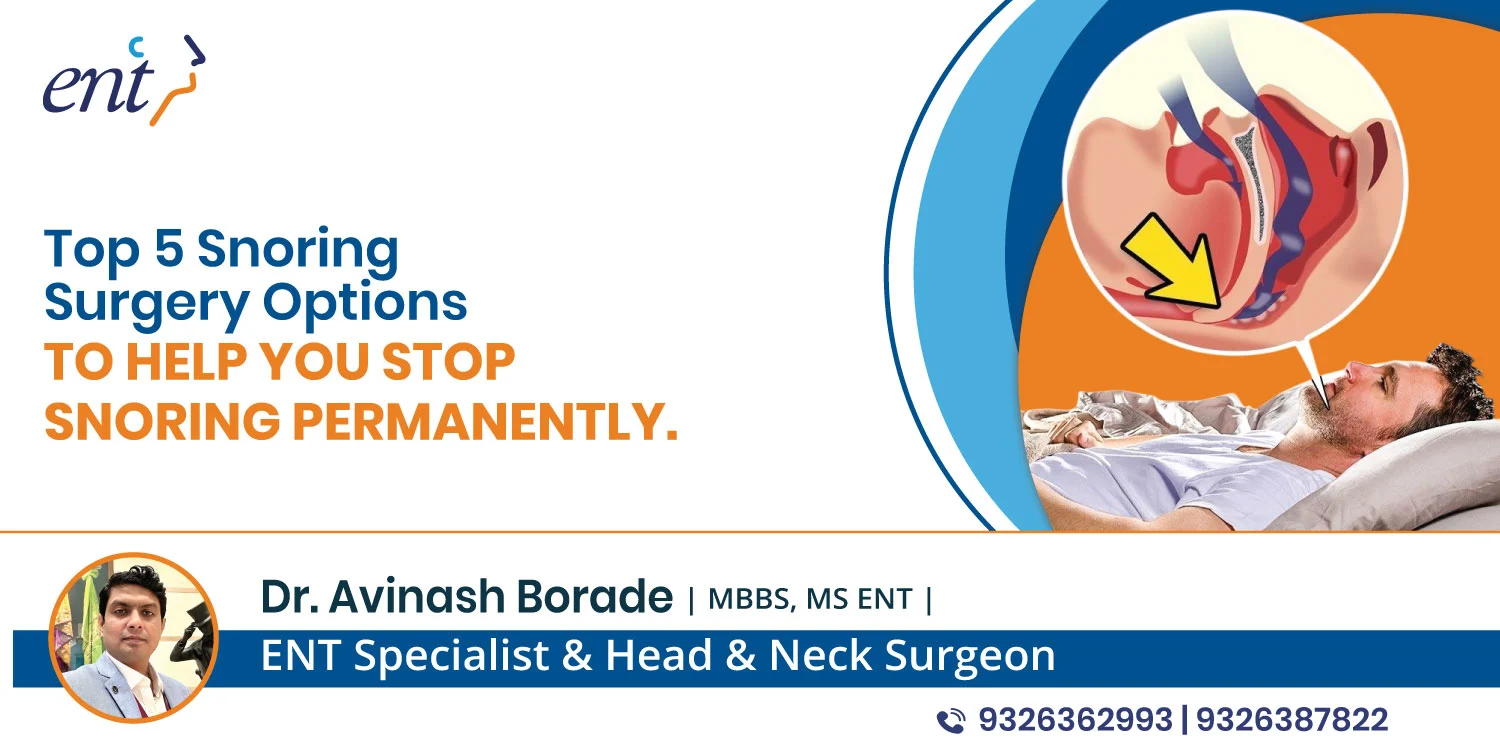
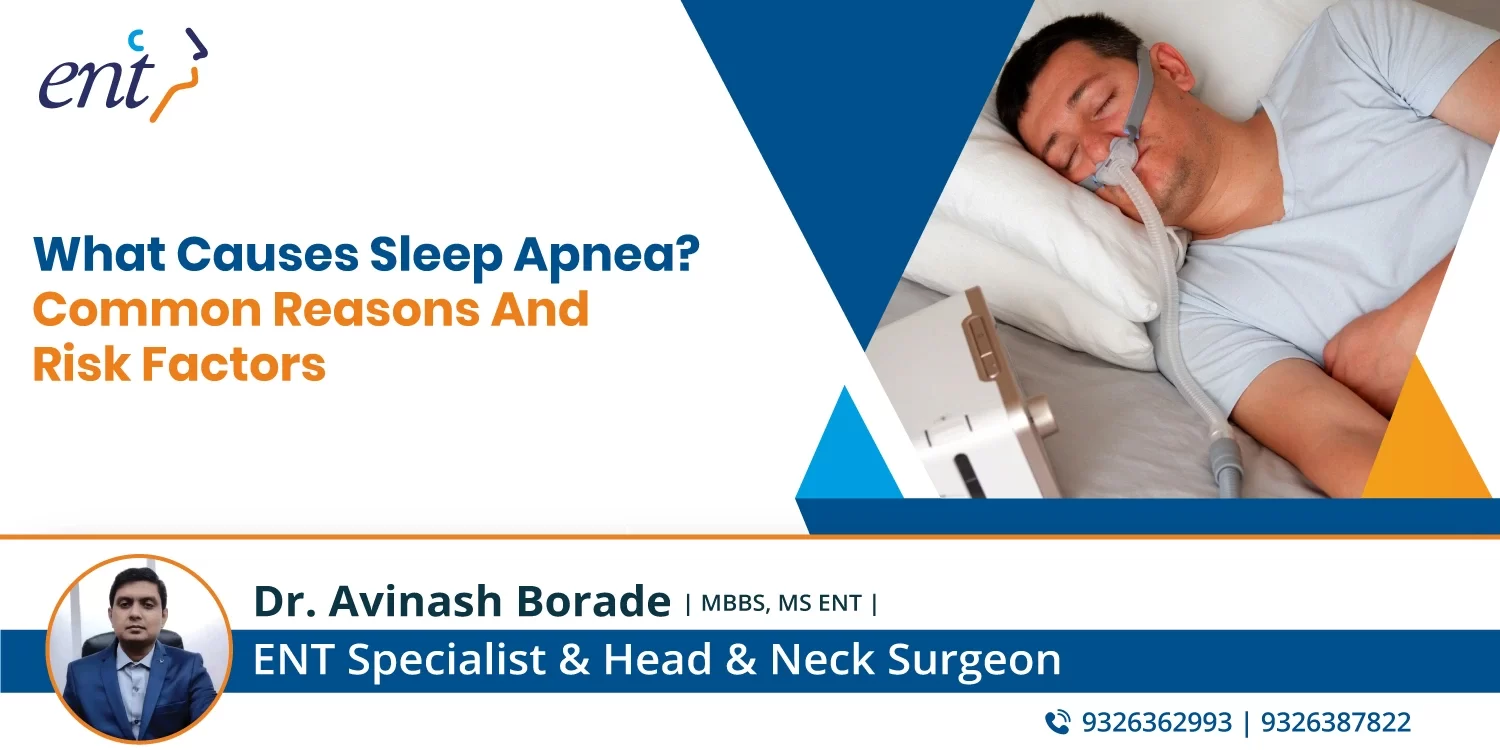
Sleep apnea is a sleeping disorder in which you stop breathing for a few seconds and start again. As your breathing stops, your survival reflex activates and wakes you up so you can resume breathing. It’s essential to get sleep apnea treatment in Navi Mumbai to restore your normal breathing during sleep.
Types of Sleep Apnea
Sleep apnea affects your sleep cycle and may leave you feeling restless in the morning. It can affect your concentration, cause daytime fatigue, trigger headaches, and even lead to heart issues. Identifying the type of sleep apnea can help your healthcare provider plan a personalized treatment for your case. Here are the common types.
Obstructive Sleep Apnea: This condition occurs due to a blockage in your airway, making it harder for you to get enough oxygen. This puts excessive load on your diaphragm and chest muscles.
Central Sleep Apnea: Sleep apnea can occur when your brain doesn’t send signals to your breathing muscles, leading to reduced oxygen flow. It has nothing to do with your airways.
Complex Sleep Apnea: It’s a mix of obstructive and central sleep apnea.
Common Risk Factors
Although anyone can develop it, some factors might increase your risk:
Overweight: Excess fat deposits around your neck and throat can collapse the soft tissues and block your airways during sleep. Losing weight, even by a small percentage, can help significantly.
Aging: People above 40 years are at a higher risk of developing sleep apnea. That’s because, with age, our muscles lose strength, making it more likely for them to collapse when we are asleep.
Congestion: Airways may become blocked if you have a nasal blockage or sinus infection. This makes breathing difficult.
Family History: Sleep apnea is also linked to family history. Your risk increases if you have someone in your family diagnosed with sleep apnea due to certain jaw shapes or narrow airways.
Alcohol, Smoking, and Sedatives: The muscles in your throat relax when you fall asleep. However, if the muscles relax too much, the risk of sleep apnea heightens, as it narrows your airway or blocks it completely. Drinking alcohol before bedtime, smoking, or taking sedative pills can relax your throat muscles, making you more prone to sleep apnea.
Symptoms of Sleep Apnea
Usually, people with sleep apnea may not know they have it until their partner tells them about their loud snoring and pauses in breathing. Here are other common signs:
- Fatigue
- Headache
- Restlessness in the daytime
- Lack of focus
- Irritability
- Night sweats
- Anxiety
- Sudden awakening episodes with gasping or choking
- Sore throat
Can Sleep Apnea be Managed?
It depends on its causes. For instance, if sleep apnea is due to being overweight, losing weight can help improve your nighttime breathing. Likewise, you can change sleeping posture, avoid triggers like alcohol or smoking, and get early treatment for allergies and sinusitis. If you have central sleep apnea, Continuous Positive Airway Pressure (CPAP) and similar devices can help keep your airway open at night.