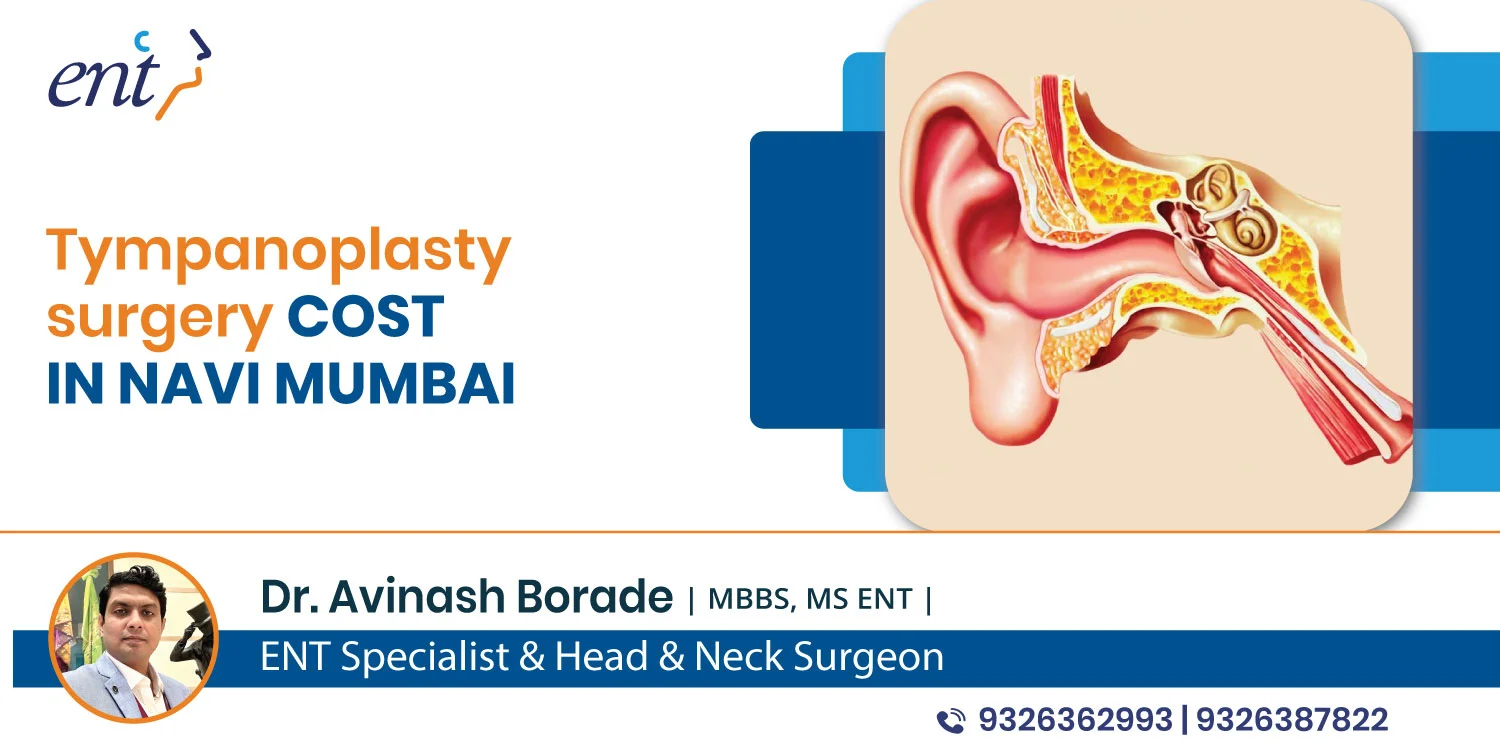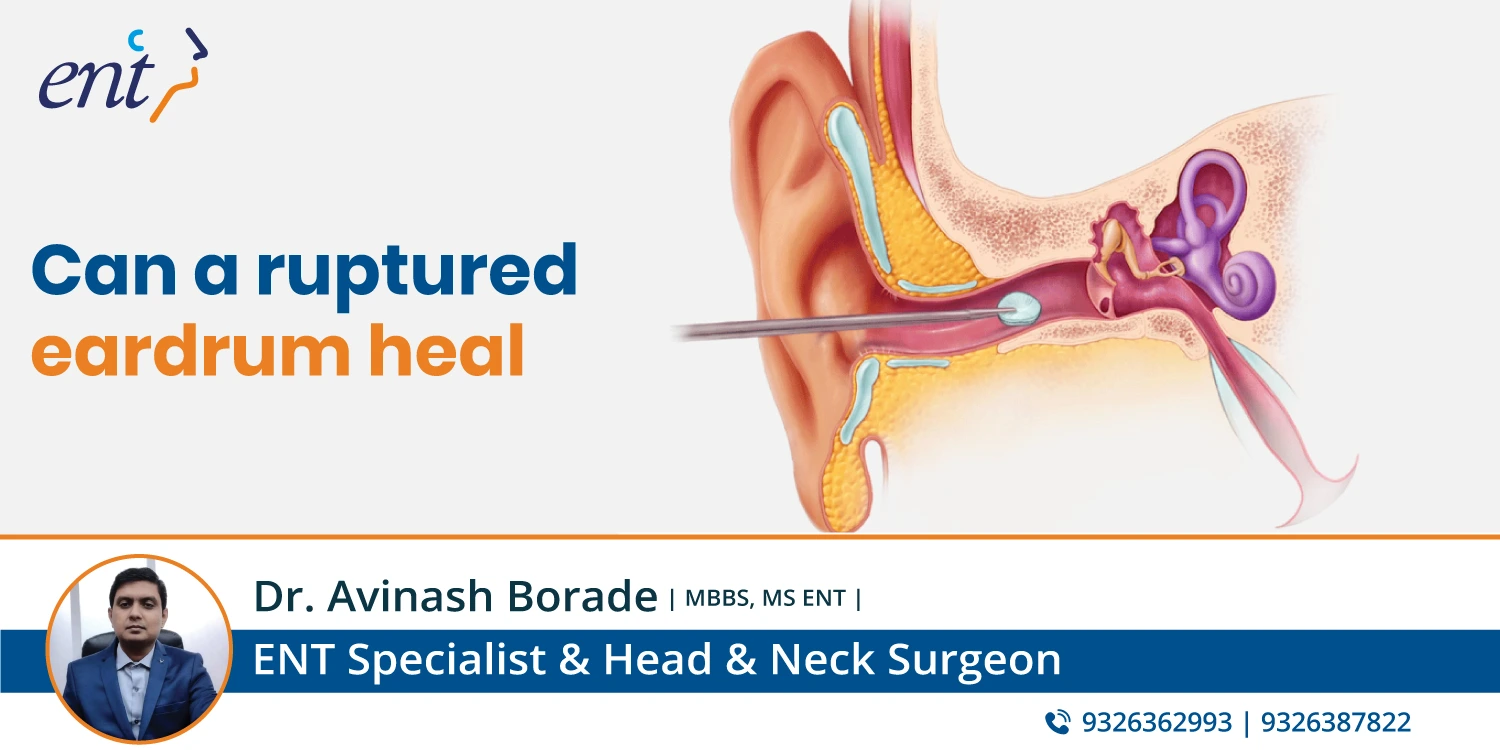
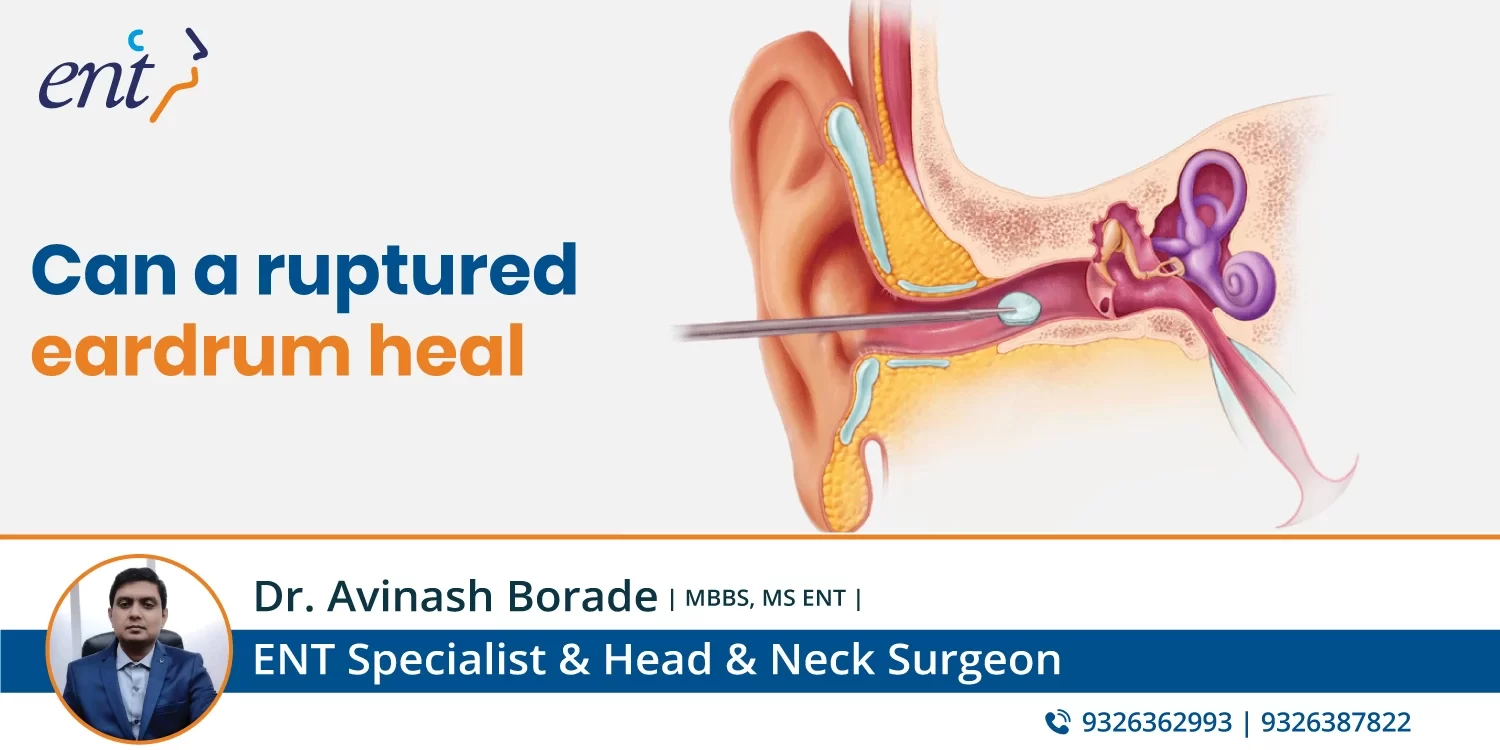
Your eardrum is a thin tissue that separates your outer and middle ear. It protects your middle ear from bacteria, dust, debris, and creates vibrations that help with hearing. A ruptured eardrum, as the name suggests, is when there’s a hole in the eardrum. It could happen due to a middle ear infection, an injury that perforates the eardrum, or an object stuck in the ear canal.
It’s fair to wonder whether the torn eardrum can heal on its own or if it needs a medical procedure. Before we discuss further, note that eardrum perforation doesn’t automatically mean you need eardrum surgery in Navi Mumbai. However, surgical intervention may be necessary for advanced cases.
Can a Ruptured Eardrum Heal on Its Own
Yes, a ruptured eardrum can heal on its own, usually within weeks or months. Smaller tears can close just like a cut on your skin. That said, it doesn’t apply to all types of tears.
Larger tears, severe infections, or major trauma that causes significant damage to your eardrum, as well as the surrounding tissue, might take longer to heal or even require medical assistance.
Initially, you may have muffled hearing. Many people experience itching or slight discomfort as the tissue heals.
Treatment for Ruptured Eardrum
Not all eardrum perforation cases require surgery. An ENT surgeon in Navi Mumbai will first explore non-invasive treatments to heal perforated eardrums. Here’s what they may advise.
1. Watchful Waiting
If the tear is minimal, they will wait and monitor the tissue. Hopefully, it will heal normally with time. You may be advised to keep the ear clean and dry, avoid inserting anything inside, or blowing your nose.
2. Address the Underlying Issue
The eardrum can tear because of a middle ear infection, inflammation, severe trauma to the skull, or loud sounds or blasts. Your ENT surgeon will identify and address the underlying cause of the ear perforation. For example, antibiotic ear drops may be needed for a bacterial infection. If a severe infection is suspected, oral antibiotics are advised. The doctor may also prescribe pain-relief medication to keep you comfortable while your ear heals.
3. Tympanoplasty
For more severe tears that wouldn’t respond to medication, are long-standing, or have affected your hearing significantly, a surgical procedure may be needed. Tympanoplasty is a surgery used to repair and reconstruct the perforated eardrum.
A small tissue from above, behind, or around the ear is removed and is used to patch or reconstruct the torn eardrum. It’s usually safe and quite an effective option for severely perforated eardrums.
When Should You Visit an ENT Specialist?
While most cases may heal automatically, it’s important to be aware of the warning signs and seek immediate medical care when necessary. Here’s what to watch out for:
- Persistent, severe pain
- Ongoing discharge, especially if it has a foul smell or is green or yellow
- Significant hearing loss
- Dizziness
An ENT specialist can check whether the perforated eardrum can heal on its own or requires treatment.