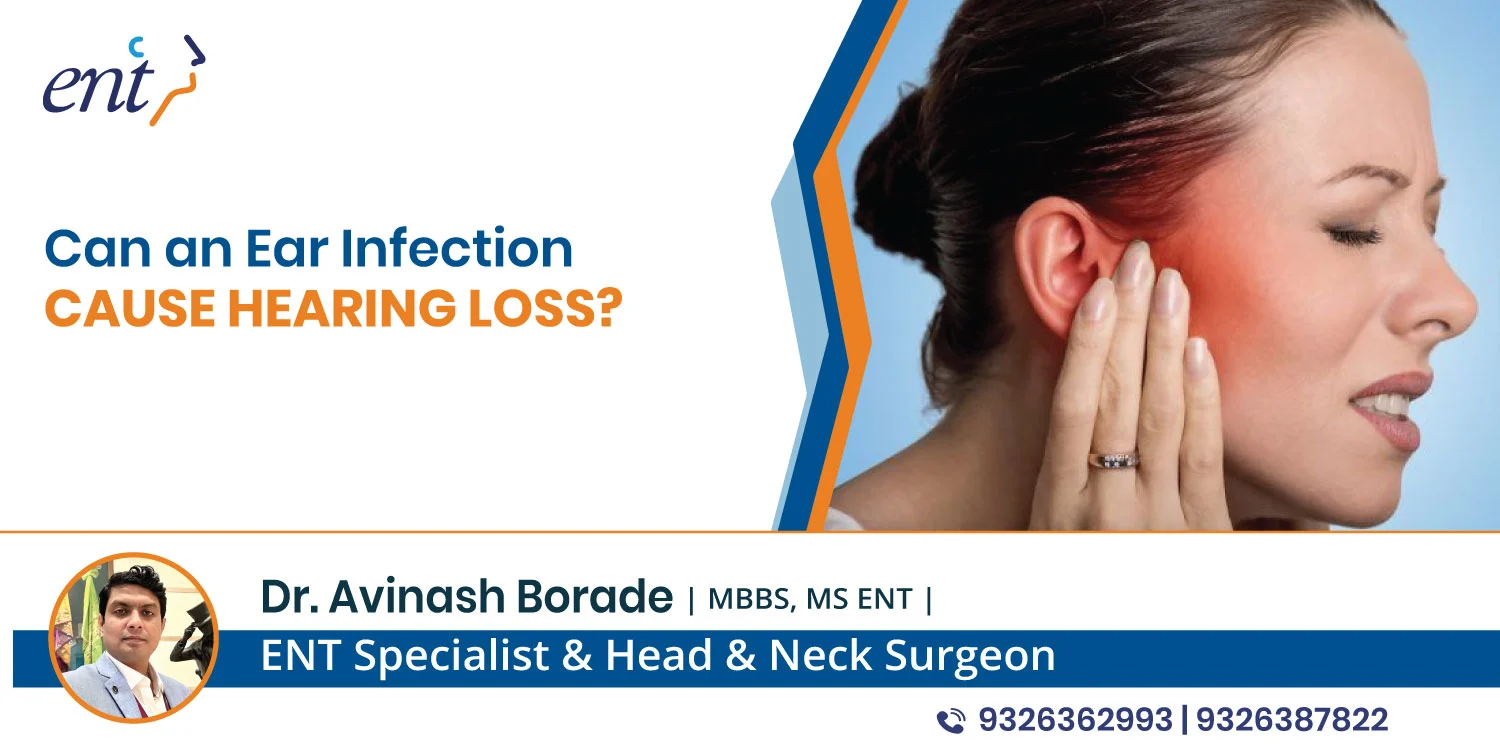
Ear infections are not just linked to pain and discomfort, but recurring and unresolved ear infections can affect your hearing as well. We don’t really pay much attention to our hearing unless sound becomes muffled or one ear feels blocked, almost as if you are hearing underwater.
That’s when most people see an ENT specialist for ear infection treatment in Navi Mumbai. A common question is, can an ear infection cause permanent hearing loss?
Ear Infection and Hearing
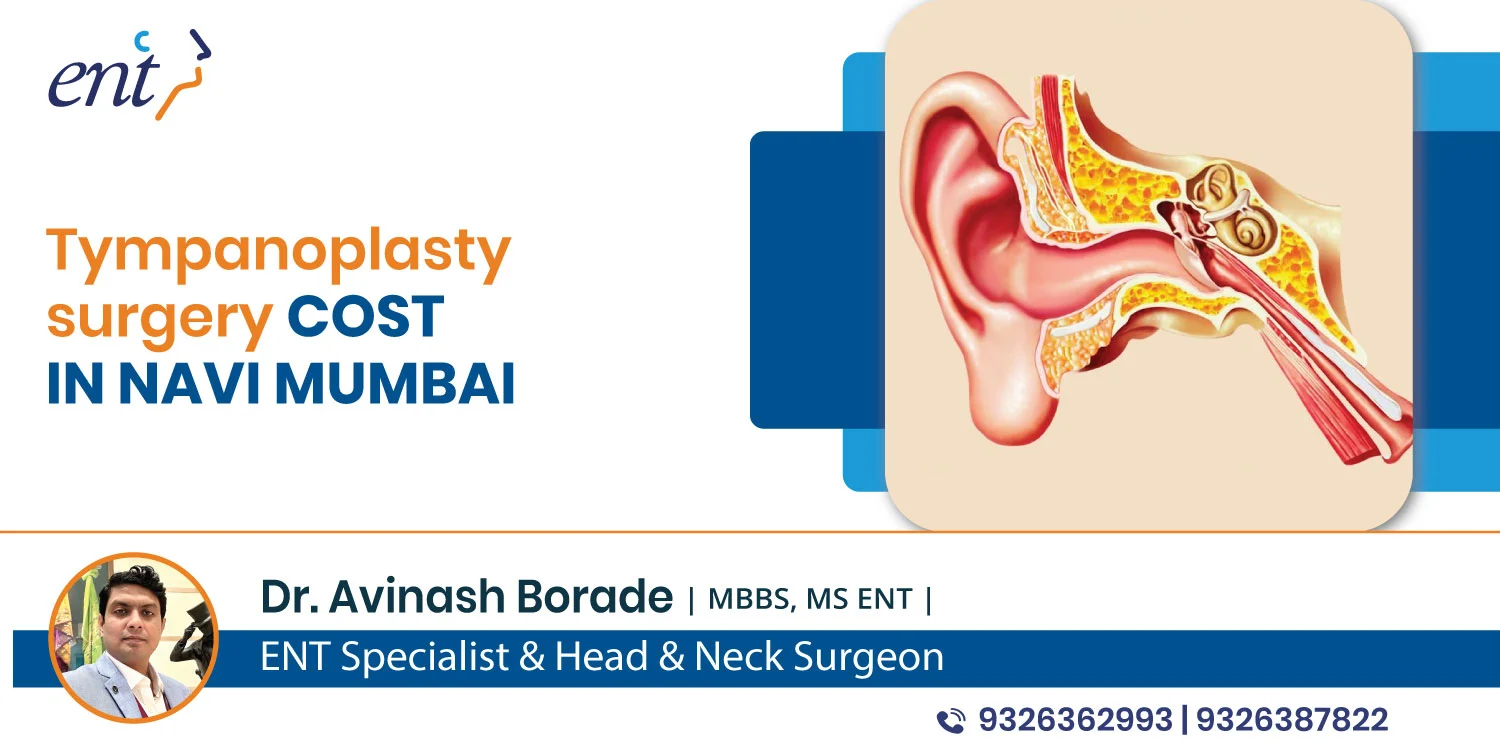
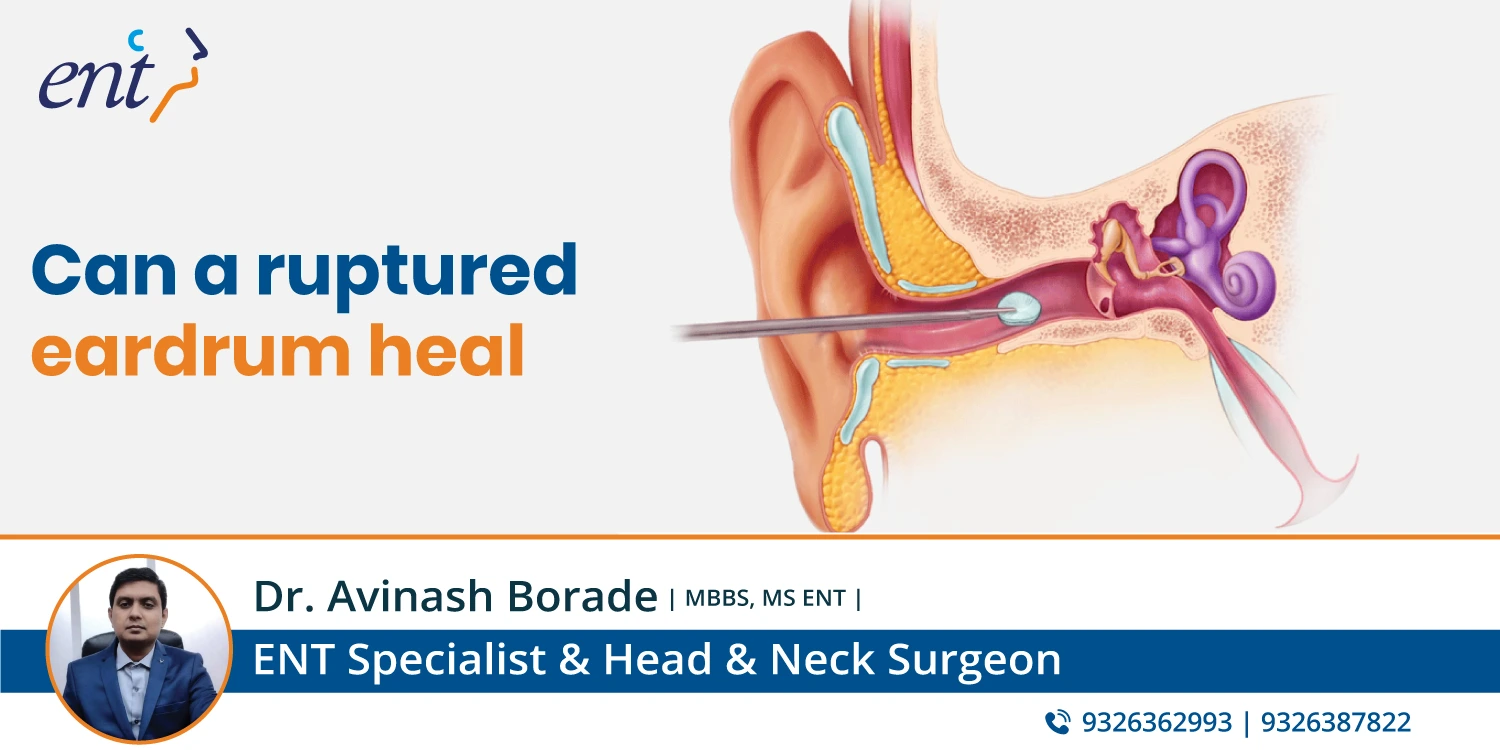
To understand the connection between ear infections and hearing, it’s important to understand how your ear works. Sound passes through the outer ear and strikes your eardrum, causing a vibration.
The vibration passes through three tiny bones in your middle ear and reaches the inner ear, where it’s converted into electrical signals. These signals travel to your brain, allowing you to hear.
Ear infections can cause inflammation, fluid collection behind your eardrum, and pressure changes — all of which can affect your hearing. Too much fluid behind the eardrum can prevent it from vibrating properly, which results in muffled or quieter sound.
In most cases, hearing returns to normal once the infection clears, but very frequent middle ear infections can sometimes leave lasting structural damage, which can cause long-term hearing loss.
Is Hearing Loss from Ear Infection Permanent?
It’s uncommon, but possible when delicate ear structures responsible for hearing are severely damaged. Repeated or ongoing infections that are not treated promptly can scar eardrums or may even create a hole in them.
Sometimes, the tiny bones responsible for transmitting sound are also damaged. The infection can go deeper into the sensitive ear structure, affecting the cochlea, as well as your hearing nerve. These structures cannot regenerate, causing lasting hearing damage.
That said, most hearing issues from mild ear infections are usually temporary. Problems occur when repeated infections are ignored. Hearing becomes normal when fluid from the middle ear is drained after the infection clears. Sometimes, the infection itself is resolved within 48-72 hours, but the fluid remains trapped in the middle ear for a longer period, causing muffled hearing.
Ear Infection Treatment
Treatment for ear infection depends on the severity of the symptoms and location of the infection. For most viral infections, symptoms improve within a few days, as your body clears up the infection. Your doctor may recommend pain-relief medication, proper hydration, and adequate rest to support healing. For bacterial infections, antibiotics are effective.
An ENT specialist may also recommend basic ear care, such as avoiding swimming or inserting cotton buds or any object inside the ear while it heals. Most ear infections resolve with conservative treatments, but persistent and severe infections may sometimes require surgical intervention.
When is Surgery for Ear Infections Needed?
Surgery may be needed if eardrum perforation doesn’t heal on its own or infected tissues affect the mastoid bone, particularly when complications, such as cholesteatoma, develop. It’s only advised when an ENT surgeon in Navi Mumbai believes that the benefits of the surgery, such as tympanoplasty or mastoidectomy, outweigh the risks.