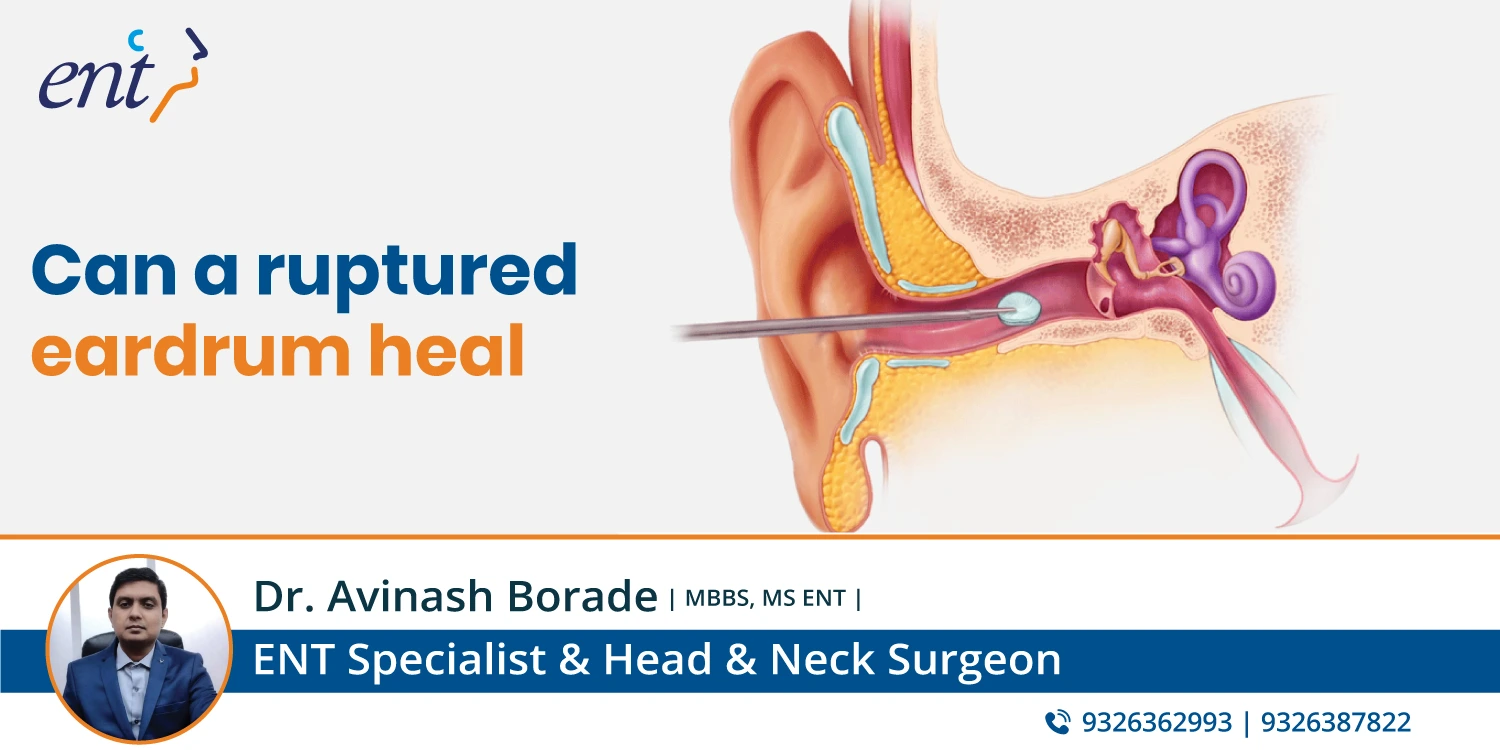
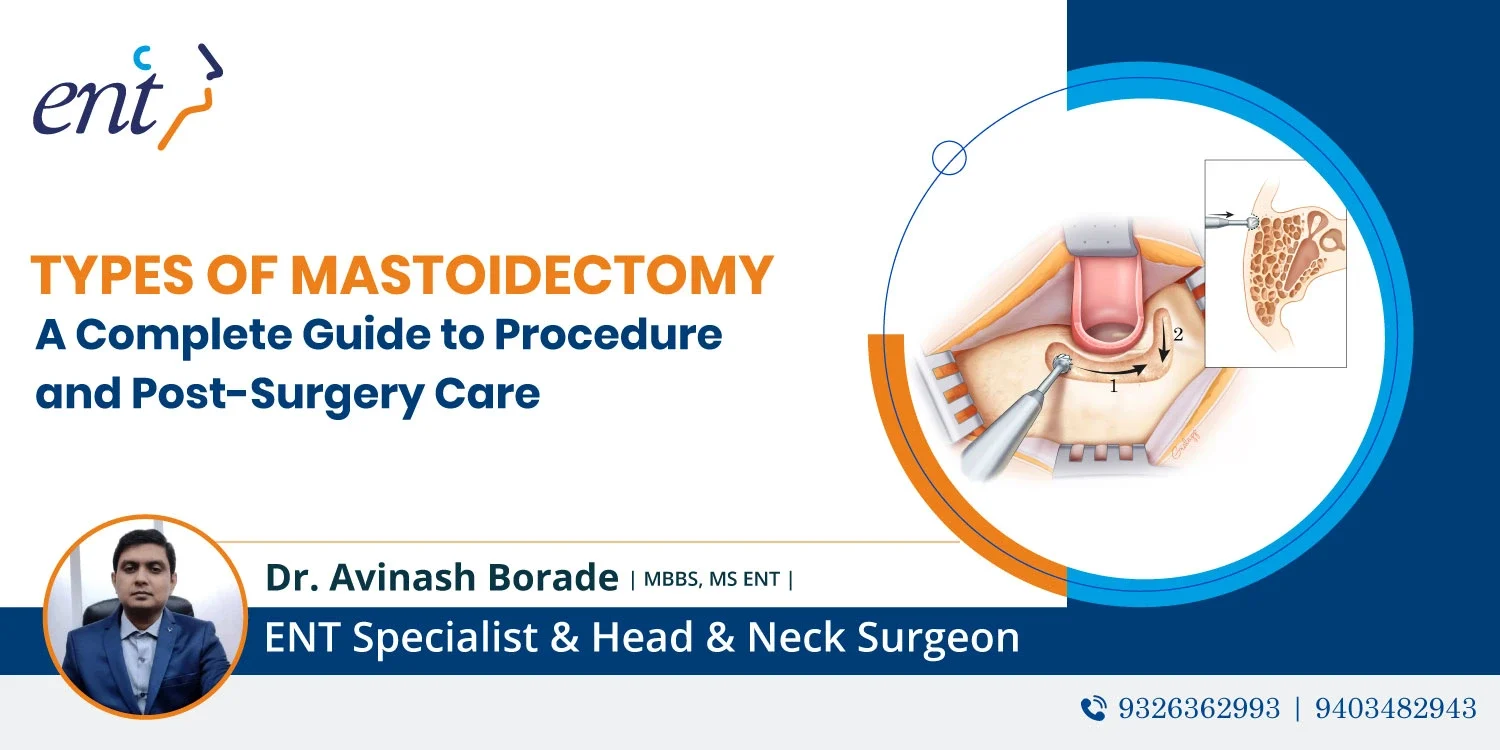
Mastoidectomy is a surgical procedure that’s recommended for patients diagnosed with an infection in the mastoid bone. It’s located behind your ear and is part of your skull. The mastoid has air-filled cells that can become infected. In severe cases, ENT specialists recommend mastoidectomy treatment in Navi Mumbai to prevent complications from the infection, such as hearing loss.
In this post, we’ll take a look at the types of mastoidectomy, when it’s recommended, and some post-surgical care tips.
When is Mastoidectomy Needed?
Surgeons recommend this invasive medical procedure when the infection in your mastoid bone (mastoiditis) does not respond to antibiotics.
The procedure is used when you have a cholesteatoma a growth of benign skin cells in your middle ear, which might spread to the space behind your ear. It’s also conducted when the surgeon places a cochlear implant to improve your hearing ability.
Types of Mastoidectomy Surgery
Mastoidectomy surgery can be simple or complex. An ENT surgeon in Navi Mumbai considers your unique ear anatomy, the intensity of the infection, the extent of the damage it has caused, and other factors to select the most suitable procedure.
1. Simple Mastoidectomy
The most common surgical procedure for mastoiditis is a simple mastoidectomy. The doctor removes all diseased cells from your mastoid bone, without touching the eardrum or any of the middle ear structures. It’s a relatively straightforward procedure with a shorter recovery period.
2. Canal Wall Up Mastoidectomy
In a canal wall up mastoidectomy,ore bone removal might be needed to access your middle ear, but it’s done without damaging the path that connects your ear canal to the mastoid. It’s mostly done for cholesteatoma. Your ear is likely to function normally after the surgery (once it’s healed). However, it carries a greater risk of recurrence. Be sure to visit your ENT surgeon regularly for check-ups.
3. Canal Wall Down Mastoidectomy
If the infection has left your mastoid and middle ear severely damaged, canal wall down mastoidectomy may be your best option. The surgery removes the posterior canal wall and part of your middle ear structures, including the eardrum, in case of a widespread infection. Recurrence chances are extremely low after the procedure, but your hearing might be compromised.
4. Modified Radical Mastoidectomy
It’s another mastoidectomy procedure for severe ear infections. Your surgeon may preserve parts of your middle ear structures. In some cases, the eardrum can be reconstructed to preserve your hearing.
Post-Surgical Care
You will be sedated throughout the procedure, but mild discomfort is normal after the surgery. You can expect a discharge in 24 hours. You’ll have stitches. Keep the bandage in place until your doctor allows you to remove it.
Here’s what to do during your recovery period:
- Do not swim, bathe with your ear exposed, or let water enter your surgical site for 2-3 weeks.
- You may have drainage from the ear, mild swelling, and stiffness, all of which are normal.
- Keep your head elevated.
- Take your pain medication and antibiotics as prescribed.
- Call your doctor immediately if you develop a high-grade fever, increased swelling and redness, excessive pain, dizziness, facial weakness, and sudden hearing loss.