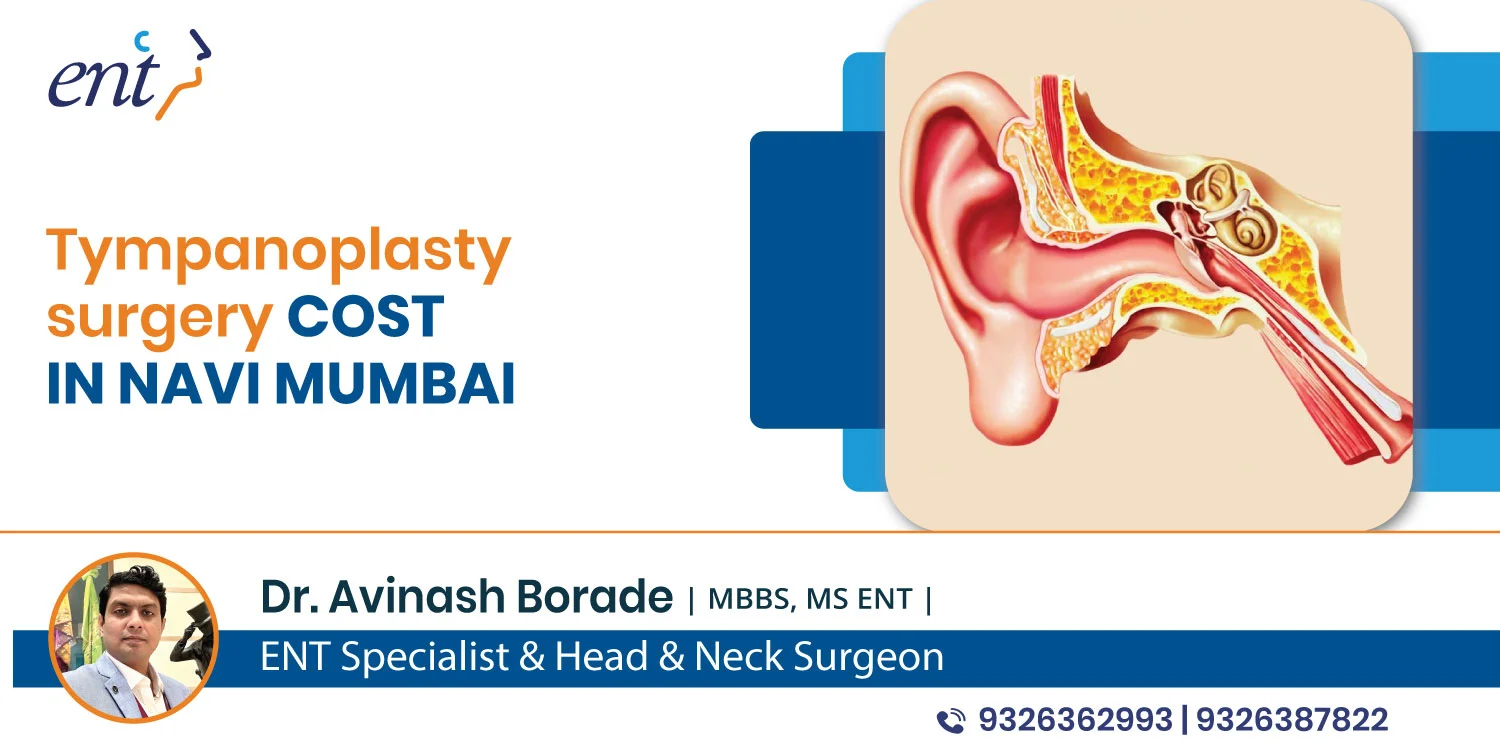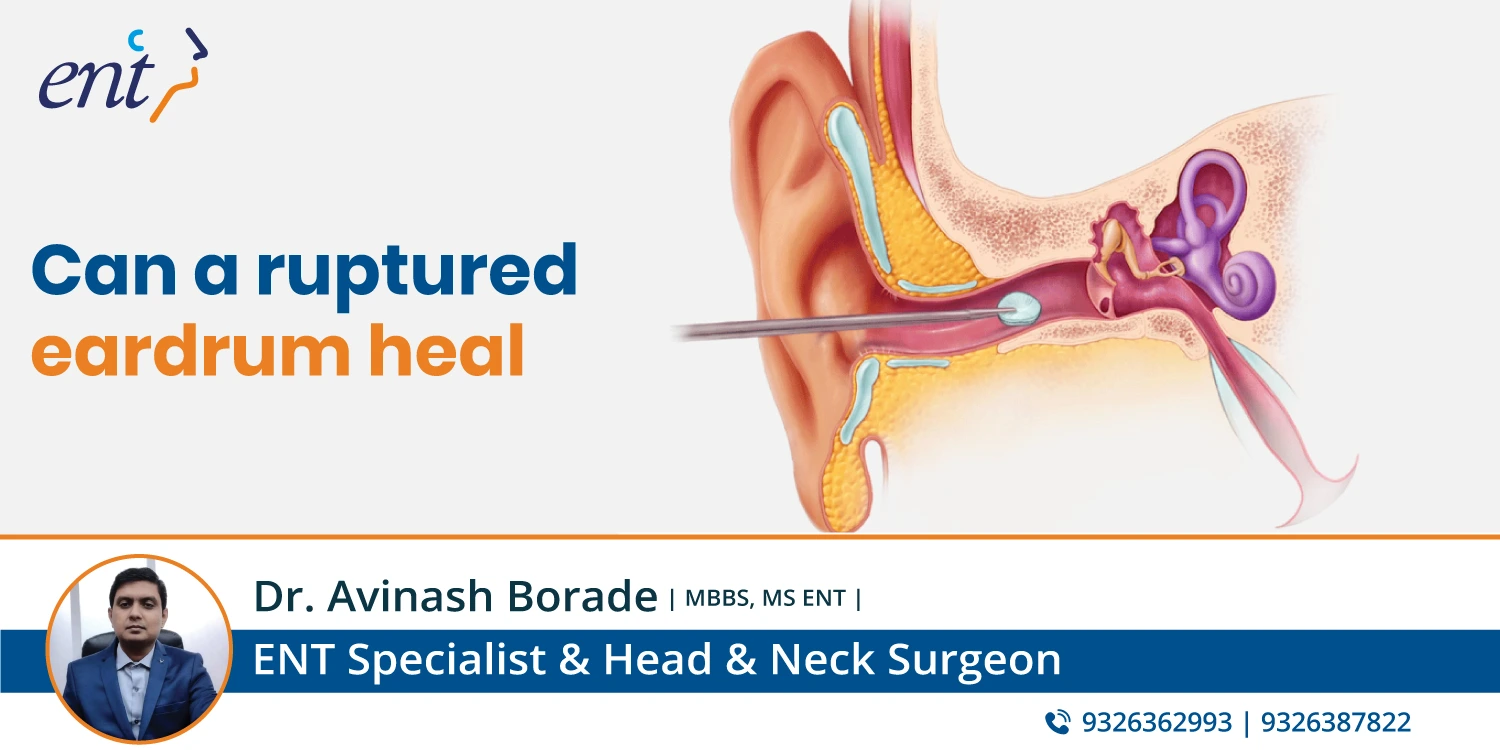

Confusion, fear, and anxiety are common among patients who are advised to undergo ear surgery, whether it’s for improving hearing or treating chronic ear infection. The surgery itself is intimidating, but what’s even scarier is the recovery phase.
You may wonder if pain post surgery is normal, how long it lasts, whether the discharge is normal, and whether the symptoms warrant medical attention.
An ear surgeon in Navi Mumbai may explain all possible side effects after ear surgery and when you should seek medical care. In the meantime, we’ve explained common post-surgical side effects.
Common After Ear Surgery Side Effects
Your ear isn’t just responsible for your hearing abilities, but it’s also closely connected to your balance system. Since it’s such a delicate organ, it requires proper care post surgery to prevent complications. Many side effects after ear surgery are quite common and temporary. However, knowing the difference between normal and abnormal symptoms is key.
Normal vs Abnormal Side Effects
1. Mild Pain
It’s normal to experience mild pain, pressure, and discomfort in the ear after ear surgery. Like any surgery, pain is a normal part of healing. It happens due to nerve irritation and inflammation. Remember, “mild” is the keyword here.
Pain that persists and worsens instead of getting better over time is not normal. See an ENT specialist if you experience intense pain that doesn’t respond to pain-relief medication.
2. Hearing Changes
Temporary hearing changes are also normal after ear surgery. You might experience muffled or slightly reduced hearing due to the packing material placed inside your ear, as well as swelling. The packing material is usually dissolvable. Once it’s dissolved or removed by your doctor and the swelling comes down, your hearing may improve. Expect improved hearing within a few weeks.
3. Dizziness or Balance Issues
Lightheadedness and dizziness are also common. Since your ear plays an integral part in the balance system, your balance may be temporarily disturbed. This is, however, usually mild and should get better with time. Persistent vertigo, which causes severe spinning and makes it difficult to even get up and move, should be reported.
4. Fluid Discharge
You may notice yellow or blood-tinged discharge in the initial days after surgery. That should also resolve during your recovery period. What’s not normal is heavy bleeding from the ear, heavy discharge, or foul-smelling discharge.
Recovery Tips After Ear Surgery
Simple recovery tips play a big role in making your healing journey smooth and stress-free. Here’s what helps:
- Do not let the water enter your ear. Avoid taking a shower or swimming until you get a go-ahead from your surgeon
- Do not blow your nose for the first few days
- Avoid putting any objects into the ear
- Keep your head elevated when sleeping
- Follow the medication schedule as prescribed
If you have any questions about the ear surgery price in Navi Mumbai, complications, or recovery tips, feel free to contact Dr. Borade’s Clinic.