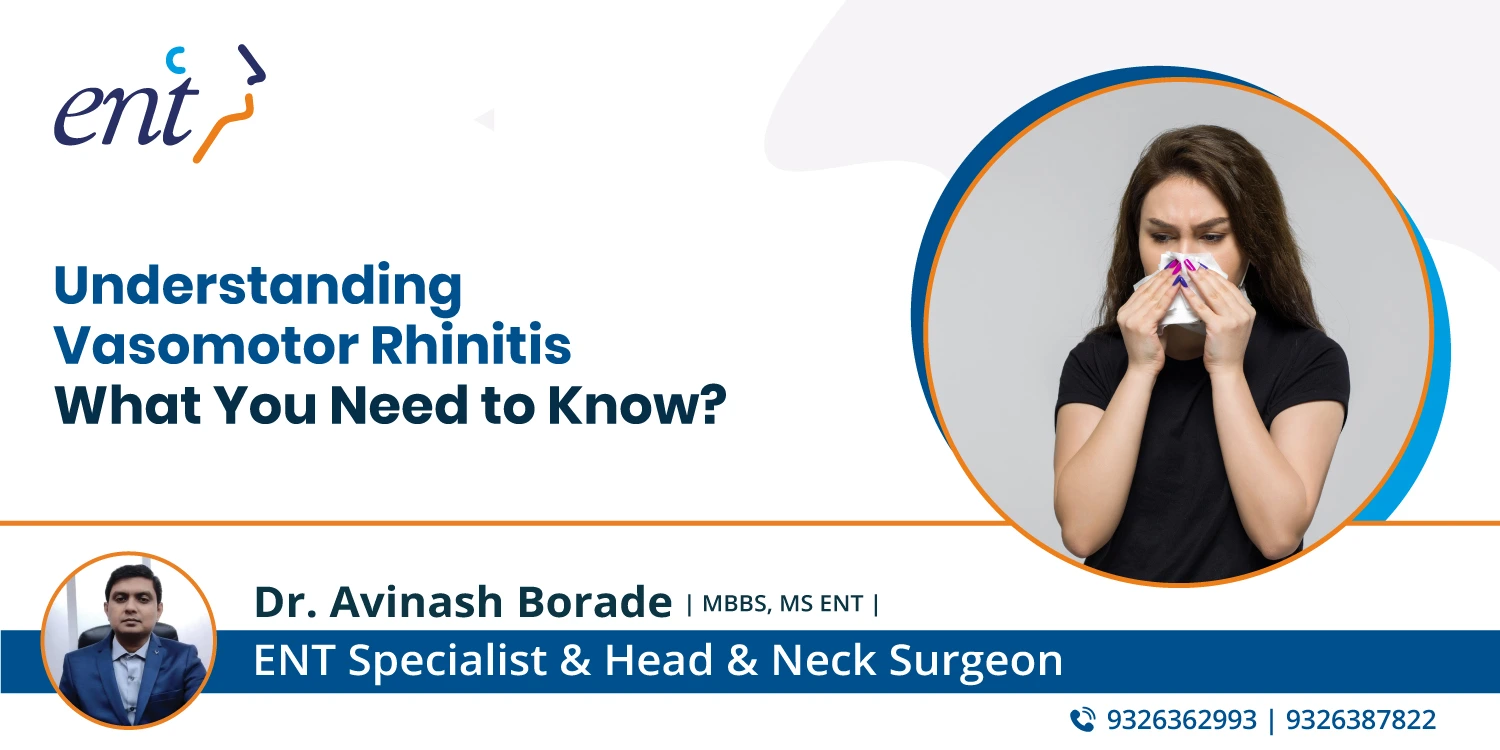

Rhinitis refers to the inflammation of your nasal tissues due to allergens or irritants. If you have ever had a runny nose, sneezing fits, a stuffy nose, or postnasal drips, it could be due to rhinitis. While allergy is often the first thing that comes to mind when considering rhinitis, not all cases of this condition are linked to allergies.
Some occur because of unexplained causes. These are called vasomotor or nonallergic rhinitis. It’s not life-threatening, but the symptoms can be pretty uncomfortable. An ENT doctor in Navi Mumbai can help diagnose and treat nonallergic rhinitis.
Causes of Vasomotor Rhinitis
People with allergic rhinitis are allergic or sensitive to certain allergens, such as dust mites or tree pollen. In vasomotor rhinitis, triggers are usually weather changes, certain medications, or environmental factors. For example, a sudden drop in the temperature, cold or dry air, smell of perfumes, paint fumes, and other strong odors, spicy food, and even stress can trigger a reaction.
Symptoms of Vasomotor Rhinitis
Symptoms of nonallergic rhinitis can appear at any time of the year. Unlike allergic rhinitis, these aren’t always seasonal. Symptoms show up when you are exposed to the substance that triggers a reaction. Here’s what you are likely to experience with vasomotor rhinitis:
- Blocked nose
- Runny nose
- Sneezing (although not as much as in allergic rhinitis)
- Postnasal drip
What makes vasomotor rhinitis different from allergic rhinitis is that its symptoms do not typically start with a scratchy throat. You may also not have watery or itchy eyes. These are more common in allergic rhinitis.
Diagnosis
Your healthcare provider will recommend an allergy test to rule out allergies as the possible cause of your nasal inflammation. If your symptoms persist or occur frequently, advanced imaging tests, such as a CT scan, can help your doctor get a detailed picture of your nose. This helps them rule out nasal polyps, deviated septum, and other structural abnormalities.
Treatment of Vasomotor Rhinitis
Currently, there’s no cure for nonallergic rhinitis, although symptoms can often be managed by either avoiding the trigger altogether or taking prescription medication to relieve your symptoms. Here are some treatment options that can help:
- Use decongestants if you have a congested or blocked nose
- Get humidifier
- Get nasal antihistamines
- Use a saline water solution to keep your nasal passage clear
Vasomotor rhinitis treatment in Navi Mumbai is usually not invasive, although certain severe cases where the reaction is triggered frequently or the symptoms interfere with your routine might require surgical intervention.
Can You Prevent Vasomotor Rhinitis?
Avoiding triggers is the best way to prevent vasomotor rhinitis. Keep a note of your symptoms and when they show up. Is it after eating a certain food, or does it occur when you are exposed to strong fragrances?
Saline sprays help keep your nose clear and reduce irritation, but avoid overusing them. If you notice frequent episodes of nasal inflammation, it’s worth getting checked by an ENT specialist to rule out other causes of nasal blockages.