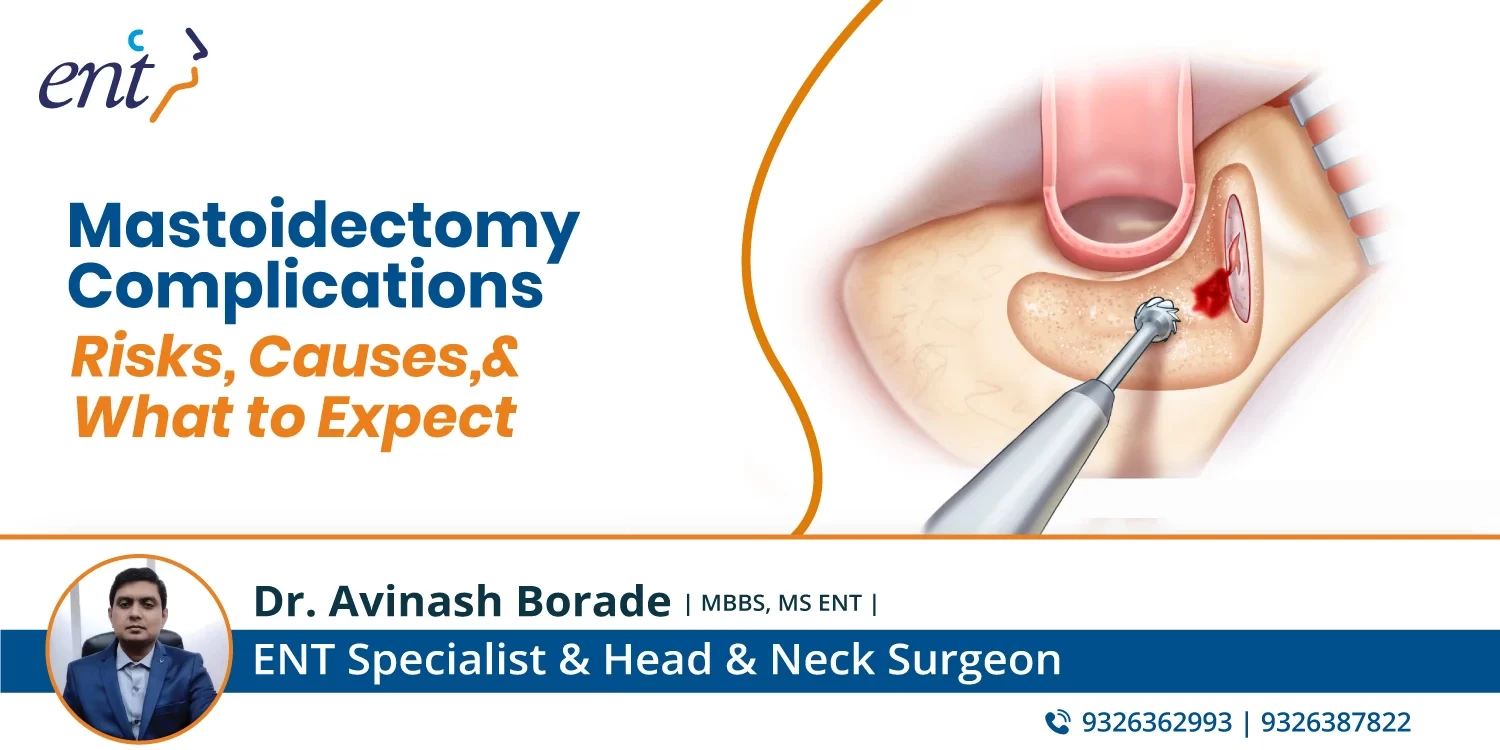
The mastoid, located right behind the ear, is an air-filled cavity, consisting of air spaces called mastoid air cells. Sometimes, an existing ear infection that’s been undiagnosed and untreated can spread to these cells. The infection can be controlled with antibiotics, but when medicines alone do not respond, a mastoidectomy surgery in Navi Mumbai to remove the diseased mastoid cells is conducted.
The main purpose of the surgery is to prevent the risk of the infection spreading to the brain and nearby structures, and hearing loss. The question is, can the surgery cause complications afterward? Let’s find out.
When is Mastoidectomy Needed?
Mastoidectomy is recommended when you have frequent episodes of middle ear infection, also called chronic otitis media, that don’t resolve with time. The infection can gradually spread into the bony structure behind your ear. This results in cholesteatoma, the skin forming in places where it shouldn’t.
This skin is not cancerous, but an unusual growth that can damage the surrounding structures if not removed. Cholesteatoma is linked to many complications, such as abscess formation in the brain, meningitis, facial nerve damage, vertigo, hearing loss, or constant ear discharge. Mastoidectomy aims to remove this skin growth, alleviate your symptoms, and restore your hearing.
Common Complications of Mastoidectomy
Mastoidectomy is a safe procedure when performed by a certified ENT surgeon in Navi Mumbai. However, it does carry short-term risks like other surgical procedures. Here are some common post-surgical complications:
- Pain with Swelling: You might notice pain and tenderness around the incision site. This might last for a few days and is often accompanied by swelling. Both can be managed well with prescribed pain medication.
- Balance Issues: Since your inner ear plays a part in balance, temporary loss of balance or a spinning sensation is common for a few days after surgery. These should resolve as your ear heals.
- Discharge: Clear or blood-tinged discharge from the ear is also common, but if it’s persistent, smells bad, or you notice excessive blood, consult your surgeon.
- Hearing Issues: It’s normal to experience some hearing issues, especially muffled hearing, in the initial days. This happens due to the swelling.
Rare but Possible Complications
Mastoidectomy is also linked to some less common yet possible complications. Know that most people undergoing the surgery recover well, but it’s important to be aware of all possible risks before you go in for the surgery.
- Hearing Loss: The surgery is conducted to prevent hearing loss, but there’s a small risk that it can worsen hearing. That happens when the infection has damaged a significant part of your middle ear.
- Tinnitus: Some patients experience a ringing sound after surgery. Although it’s temporary and usually goes away once your incision has healed, a very few patients experience persistent tinnitus.
- Infection: Like other surgical procedures, mastoidectomy can cause infection. It’s important to keep the area clean and dry and follow your surgeon’s instructions for post-surgical care. Seek immediate medical help if you develop redness, fever, intense pain, or foul-smelling discharge from the ear.
Conclusion
While complications are a possibility, know that mastoidectomy surgery itself is performed to reduce more serious risks, such as permanent hearing damage. Most side effects are mild and often temporary.