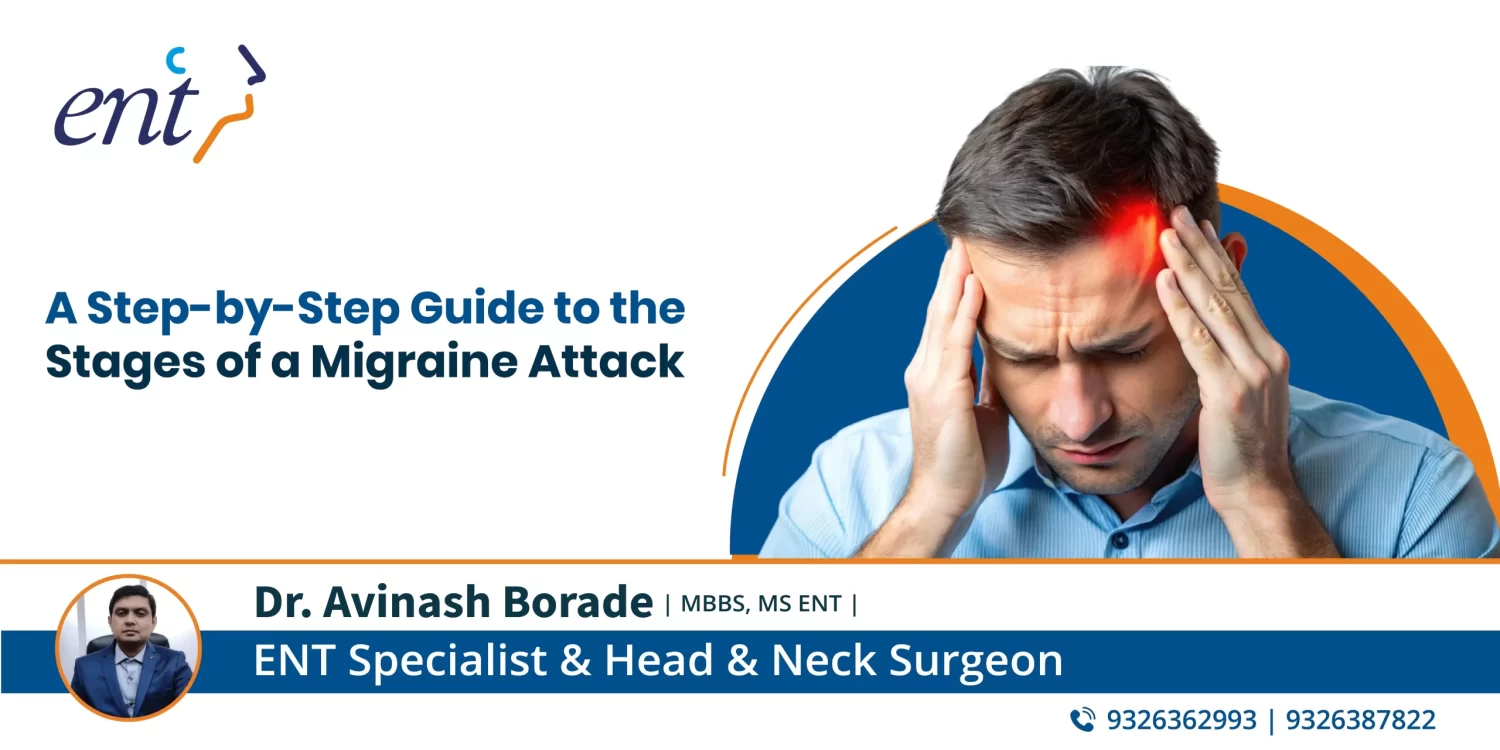
People living with migraine know how difficult it is to manage the pain, all while hearing “it’s just a headache” or “take pain-relief medicines, and you’ll be fine”. Migraine is not a typical headache. It’s a neurological condition that affects how your brain responds to light, sound, and stressors.
If you or someone you know has experienced a migraine attack, you might know how painful the headache is. Many people seek migraine treatment in Navi Mumbai to relieve pain. Others figure out and avoid the triggers that initiate the attack. So, how do you know if you have a migraine or a simple headache?
Migraine vs Sinusitis
Sometimes, headaches from migraine are confused with sinusitis. Symptoms can overlap. However, you must know that sinusitis also causes nasal blockage, facial pressure, and fever, which are not the typical symptoms of migraine. If you experience a severe headache on one side of the head, combined with sensitivity to light or sound, and throbbing pain that gets worse with movements, migraine can be the culprit.
The Four Stages of Migraine
Migraine is linked to these four stages, although not everyone with migraine experiences them.
- Prodrome: Before a migraine attack hits, you will experience subtle symptoms, such as irritability, changes in your appetite, and fatigue. These symptoms don’t always point to migraine, but can sometimes be the early indicators of a possible attack.
- Aura: Not every migraine patient experiences this stage, but if it occurs, you might experience visual and sensory issues. For example, you might see zigzag patterns or have blind spots. Some people also report tingling in their hands and speech issues. If aura does occur, it doesn’t last long.
- Headache: The most difficult stage of a migraine attack is the headache. People who experience migraine headaches describe the pain as throbbing and pulsing, often occurring on one side of the head. During this stage, you might be sensitive to light, sounds, and fragrances. Many people stay in a dark, quiet room until this stage passes. The pain might last for a few hours to up to three days. It can also be accompanied by nausea, vomiting, and dizziness.
- Postdrome: The final stage in a migraine attack is postdrome, also called a migraine hangover. This happens when your migraine symptoms, such as severe headache and nausea, resolve, but you might still feel exhausted and mentally foggy.
When to See a Doctor
Migraine attacks are not just painful, but can also affect your daily life. It’s important to understand the underlying cause of your headaches, especially if they are frequent, and visit an ENT surgeon in Navi Mumbai if the symptoms mimic migraine. Symptoms that require medical attention include:
- Severe, throbbing headaches that last for hours or days
- Pain that worsens with light, sound, or smell
- Frequent episodes of headaches
- Nausea and vomiting
- Dizziness
Conclusion
Knowing the early stages of migraine will help you seek medical attention if needed. You should know how migraine develops and progress so that you can take preventive steps, such as avoiding triggers, to reduce your risk.